Stack
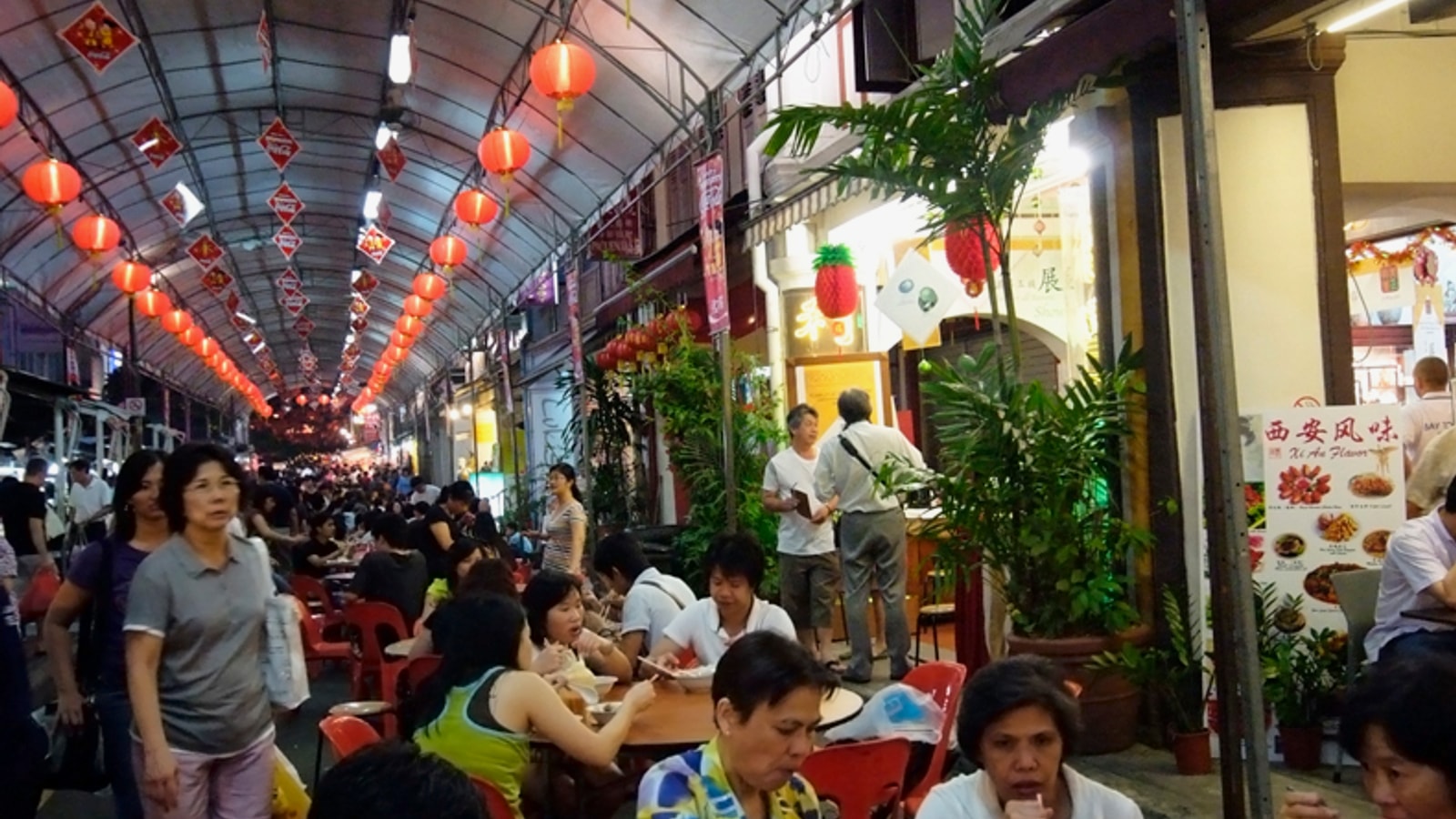
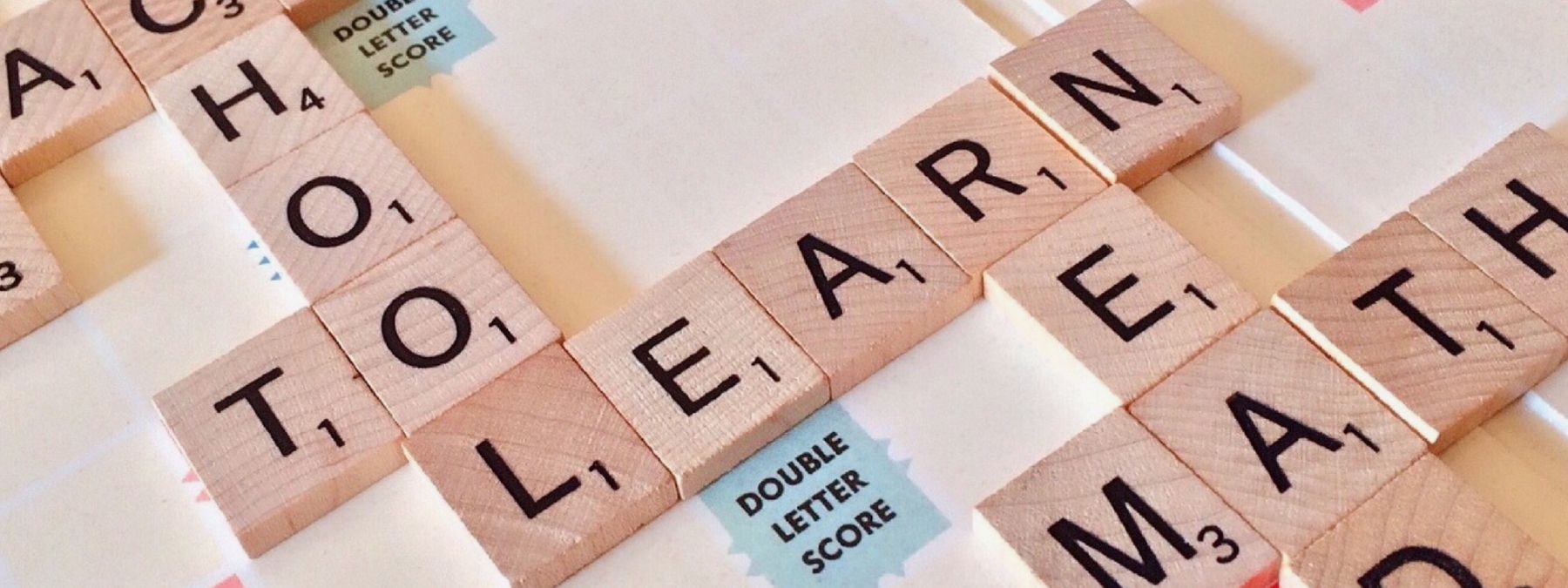
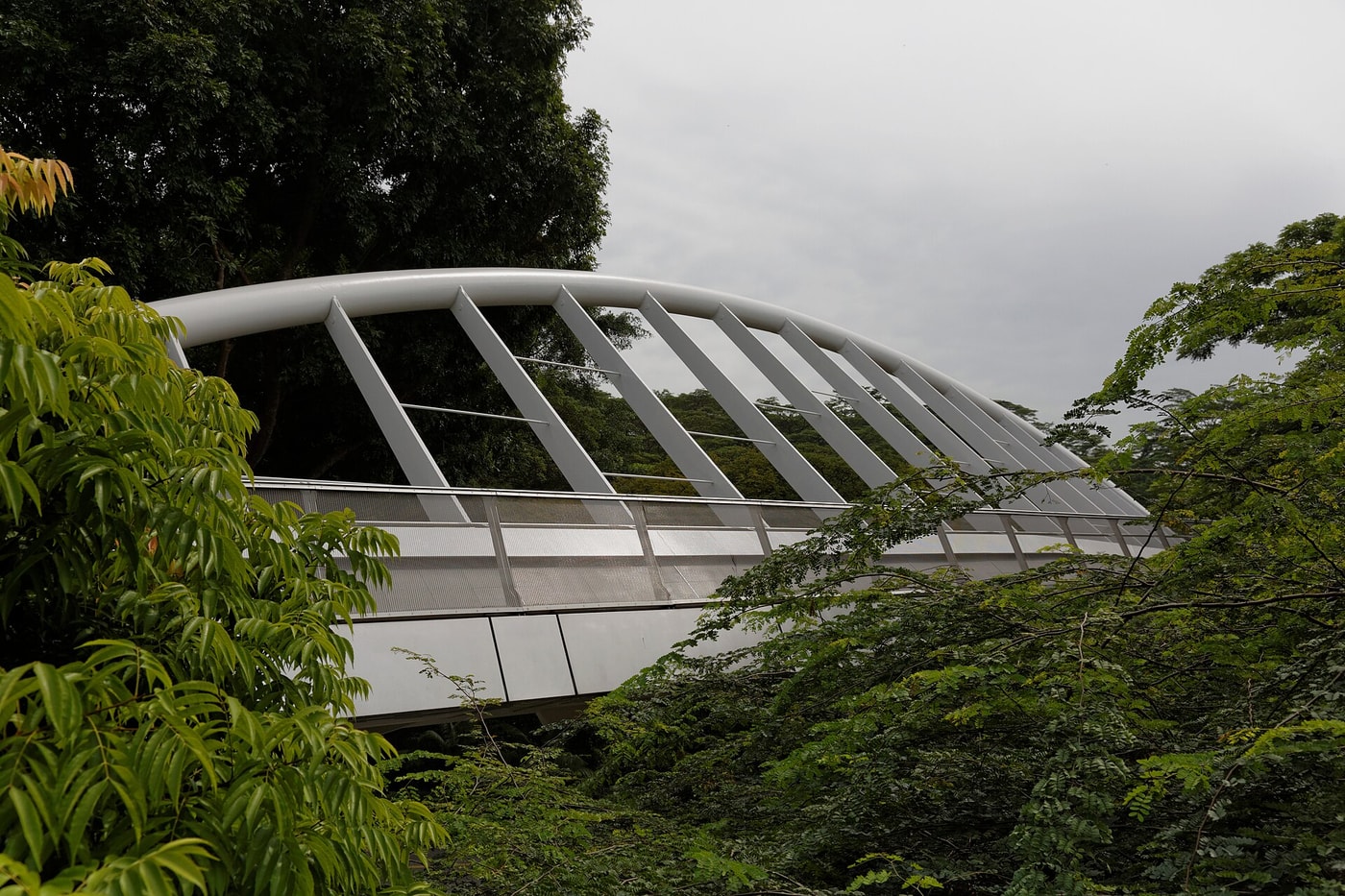
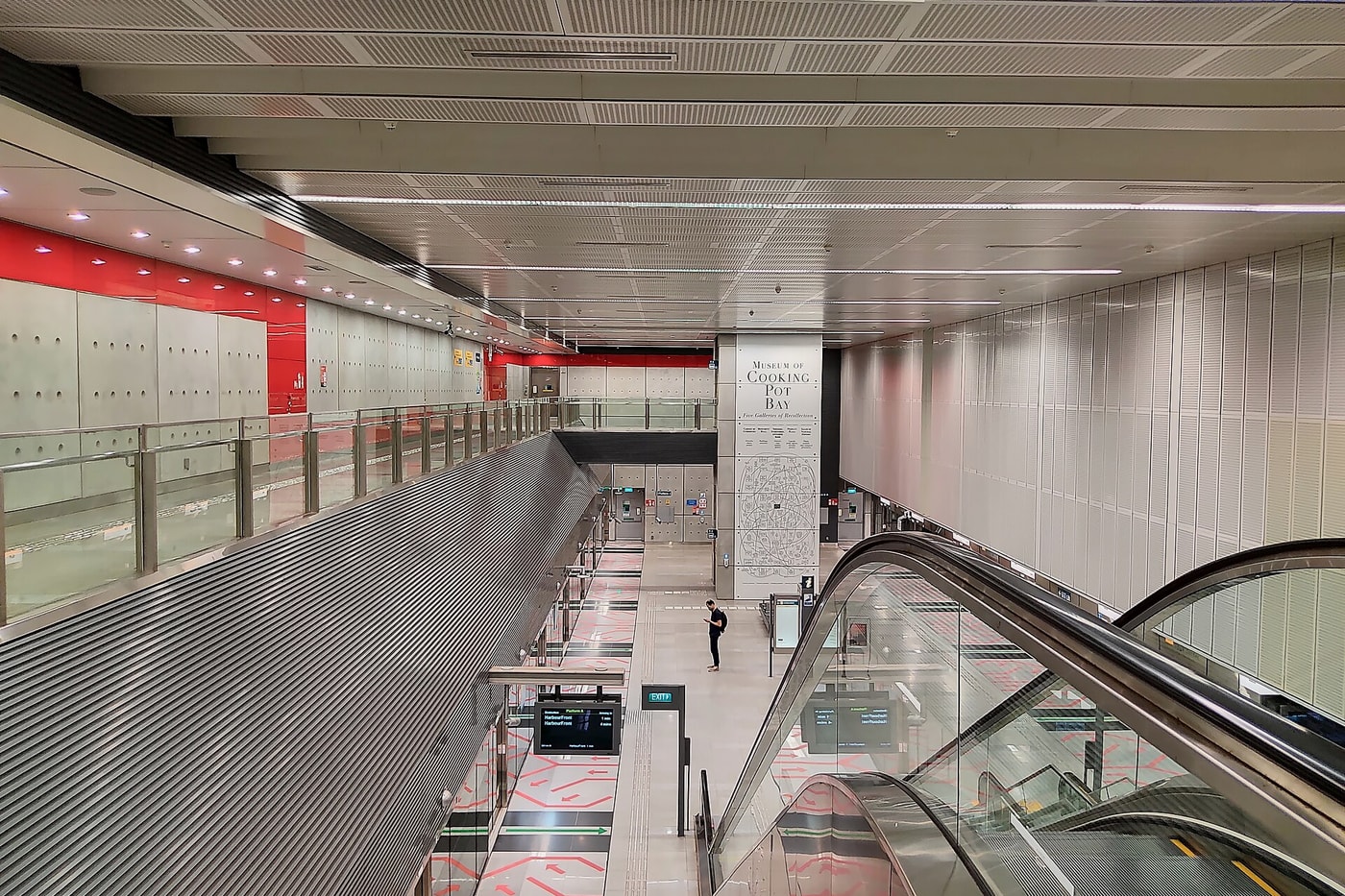
The stack is where finished slips stand spine-out — ordered by the month they belong to rather than the day they went online. I think of months as weather more than administration: January has the hill path before six; March has kopi below the flats; May has the bus bay where the same driver nods each week.
None of these pieces connect as a plot. They share only my attention and this city's habit of offering small scenes worth a paragraph. If you came from the porch page, the Havelock Road walk lives separately on the home index; it is older in spirit though not in calendar.
Choose any title. Read slowly if you like. The images are part of the slip, not decorations for something grander. When you are done, the corner page tells you who I am in more detail, and say hello is there if you want to write back without a message box.
I date slips when they were written, not when they were posted, which means the stack may look out of order to someone expecting strict chronology. Memory rarely arranges itself by calendar. The stack accepts that untidiness.
February holds the void deck noticeboard. April holds the radio and open window. Each title is plain on purpose — no clever names, no serial numbering beyond the slip files themselves. I want the stack to feel like a shelf you might find in a corridor, not a catalogue.
Photographs sit inside the slips rather than above them like posters. They are part of the sentence, not illustrations of something grander. If you read on a phone, scroll slowly; the images reward a second glance the way street corners do when you pass them twice.
When you finish, the porch page still welcomes you back. There is no correct order. The stack assumes you will read like a person with time, not like a machine indexing pages.

First Kopi Below the Flats
Hill Path Before Six
The Same Driver Every Week

The Radio at Low Volume
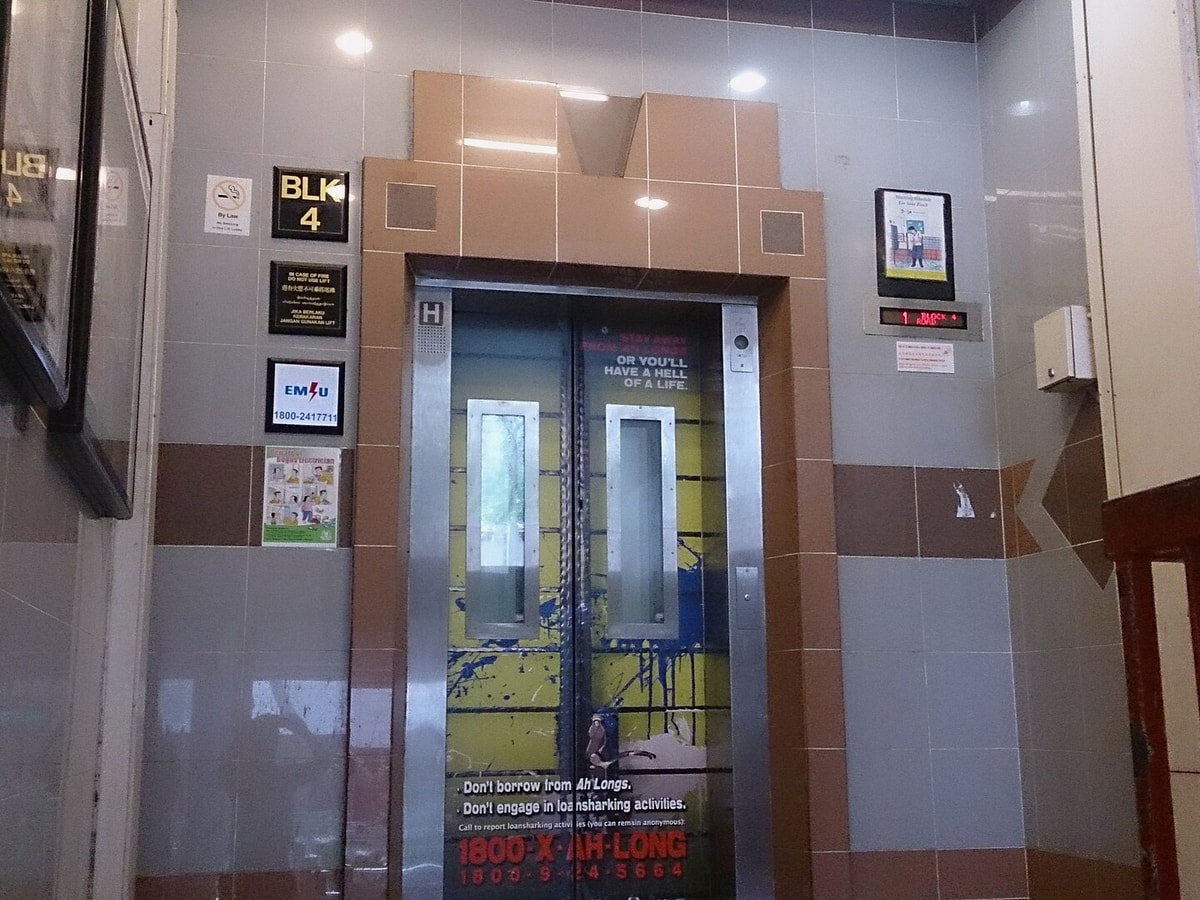
Noticeboard Nobody Reads

Text size:
This choice is not being saved.